
Perminova tracks procedures and data in real time, resulting in increased charge-capture and revenue recognition, less physician time writing reports, better patient safety, and tools to perform outcomes research.
We provide solutions to healthcare markets such as HL7 data transportation, device integration, ICD9/10 crosswalk, mobile access, DICOM image management and more.
Our Team is always working on new and innovative automation and data management solutions for the healthcare industry. Contact us to discuss our innovations.
At Perminova our primary goal is making healthcare simpler and easier for everyone. We develop web-based applications specially designed to cater to the diverse needs of the healthcare industry. The technology designed and developed by our creative team enables the healthcare industry to perform surgeries with the latest surgical information systems. Our web-based software provides easy access, anywhere—even using mobile devices.
Perminova’s advanced surgery workflow engine enables easy tracking of the various procedures within healthcare facilities. Our software allows you to capture data in real time, providing increased charge capture and revenue recognition, less time spent writing reports, increased patient safety and improved productivity for your healthcare facilities.
Perminova delivers superior information systems for healthcare facilities. Our software provides advantages for both the healthcare industry and for its patients. Our browser-based software makes it easier for healthcare professionals to access information from their preferred device. Our Healthcare Workflow software design also allows us to provide convenient patient access to their current health information and the option to contact a medical professional for rapid response.
Perminova offers solutions for HL7 data transportation, device integration, device accessibility, ICD9/10 crosswalk and DICOM image management.
Learn more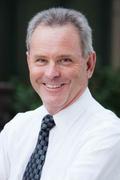
Dr. Feld has been ranked by his peers as one of the country’s top cardiac electrophysiologists in US News & World Report and other publications. He began development of a cardiovascular clinical research database, which then transitioned into a flexible, comprehensive patient information system for cardiovascular surgery that became Perminova EP, Perminova’s web-based patient information system used in electrophysiology (EP) labs.
Dr. Feld is Professor of Medicine at UC San Diego, and Director of the Cardiac Electrophysiology Program at the UCSD Medical Center. Perminova EP was developed in Dr. Feld’s EP lab. Dr. Feld’s clinical responsibilities include performing up to eight ablation procedures a week, as well as pacemaker and defibrillator implantation procedures. He currently performs the largest number of ablations for atrial fibrillation in Southern California. Dr. Feld has pioneered several new treatments for cardiac arrhythmias, including catheter ablation of atrial flutter and AV node modification for atrial fibrillation. His current research includes optimizing techniques for catheter ablation of atrial fibrillation, and development of new energy sources for catheter ablation of atrial fibrillation.
Dr. Feld is a Fellow of the American College of Cardiology, American Heart Association, and Heart Rhythm Society. He has been an Associate Editor for the journal Circulation and the Journal of the American College of Cardiology. Dr. Feld has participated in numerous studies and his research has been published in major journals including Circulation, Circulation A&E, Heart Rhythm Journal, the Journal of Cardiac Electrophysiology, the Journal of Interventional Cardiac Electrophysiology, PACE, the Journal of the American College of Cardiology, and the American Journal of Cardiology. He received his MD from Dartmouth Medical School.
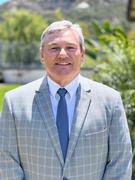
Mr. Dale consulted, managed and invested in a variety of technology enterprises, including initiatives in the healthcare, software, consumer products and energy sectors. He specialized in critical operational issues such as product development, marketing, fundraising and analysis for more than 15 years.
Mr. Dale’s experience includes: building data center systems for Easy Wireless, eCloser, Luth Research and Amdax; providing application and network security services to Peregrine Systems; developing enterprise-class applications for companies such as Boeing, Utilisys, Keystone Energy, and others.
Mr. Dale is a licensed professional engineer and holds a Bachelor of Science in Mechanical Engineering from the University of South Florida.